
Learn Investments
Commodities & Precious Metals
Physical assets, funds, futures, and producer stocks, and why the route you choose changes what you own.
Commodity investing means gaining economic exposure to raw materials such as metals, energy, or agricultural products. Investors can use physical ownership, futures and options, commodity pools, exchange-traded products, or shares of commodity-producing companies. These routes can behave very differently, so the first question is not what the commodity price is doing, but what exposure a given product actually delivers.
Direct Answer
Commodity investing means obtaining economic exposure to raw materials such as metals, energy, or agricultural products. Investors can use physical ownership, futures and options, commodity pools, exchange-traded products, or shares of commodity-producing companies. These routes can behave very differently, so the first question is not "What is the commodity price?" but "What exposure does this product actually deliver?"
This page focuses on how investors obtain and evaluate commodity exposure. Analyzing an individual mining or oil-producer stock as a company belongs to Swoopr's existing Learn Stocks coverage, and inflation, dollar, and rate-cycle analysis remains canonical at Swoopr's Macro, Economics & Market Regimes hub. Both are linked throughout rather than duplicated here.
Key takeaways
- "Investing in gold" or "investing in oil" is not a complete description until you specify how: physically, through futures, through a fund, or through a producer's stock.
- Precious metals are not automatically safe havens. None of them guarantees a positive return, and physical-metals sales carry real fraud risk.
- Futures-based commodity funds must roll expiring contracts, so the shape of the futures curve, described as contango or backwardation, can add or subtract from returns separately from the spot price.
- A mining or energy-producer stock is an equity. Its price depends on company-specific factors such as production, costs, debt, and management, not only on the commodity price.
- Commodities are sometimes treated as an inflation hedge, but the relationship is not reliable enough to assume it holds in every environment.
- Physical ownership adds costs, such as dealer premiums, storage, insurance, and authenticity verification, that a futures or fund position does not.
Commodity exposure starts with structure
Before comparing any two commodity investments, identify how each one actually delivers its exposure. The same headline word, gold, oil, or copper, can describe very different holdings and very different risks.
| Exposure | What you own | Main extra risks beyond commodity price |
|---|---|---|
| Physical commodity | The metal or good itself, stored somewhere | Dealer spread, storage, insurance, theft, authenticity |
| Futures contract | A contractual obligation tied to a future delivery date | Margin, leverage, expiration and rolling, counterparty and exchange mechanics |
| Commodity fund or ETP | Shares in a pooled vehicle, which may hold physical metal, futures, or a mix | Legal structure, expense ratio, tracking behavior, roll methodology |
| Producer stock | Equity in a company that extracts or produces the commodity | Operating costs, debt, reserves, management, equity-market valuation |
| Broad commodity index | A weighted basket across multiple commodities, usually futures-based | Sector weighting, rebalancing rules, roll methodology across many curves |
Each row in this table can carry the same commodity name and produce a meaningfully different investing experience. The rest of this page works through each exposure type in more depth.
Precious metals: gold, silver, platinum, and palladium
Investors hold precious metals for several different reasons: portfolio diversification, concerns about inflation or currency debasement, jewelry and industrial demand, speculation on price moves, or a general crisis-protection narrative. None of these reasons guarantees a positive return, and precious metals can decline in value, sometimes for extended periods.
Gold has no corporate earnings stream, no coupon, and no dividend. Its price reflects supply, investment demand, central-bank activity, and sentiment rather than a cash-flow valuation model. Silver and the platinum-group metals have a larger industrial-demand component, tying their prices more closely to manufacturing and electronics activity than gold, which creates different economic sensitivity even among metals investors sometimes group together.
Precious metals should not be treated as automatically safe. The CFTC has published guidance for buyers of physical gold, silver, and other metals, warning that high-pressure sales tactics, undisclosed markups, and outright fraud are real risks in physical-metals markets. Verifying a dealer's reputation and understanding total cost before buying matters as much as picking the metal.
Physical ownership
Buying physical metal or another physical commodity means paying a premium over the quoted spot price, and generally accepting a discount when selling. That bid-ask spread is a real hurdle to profitability that a headline spot-price chart does not show.
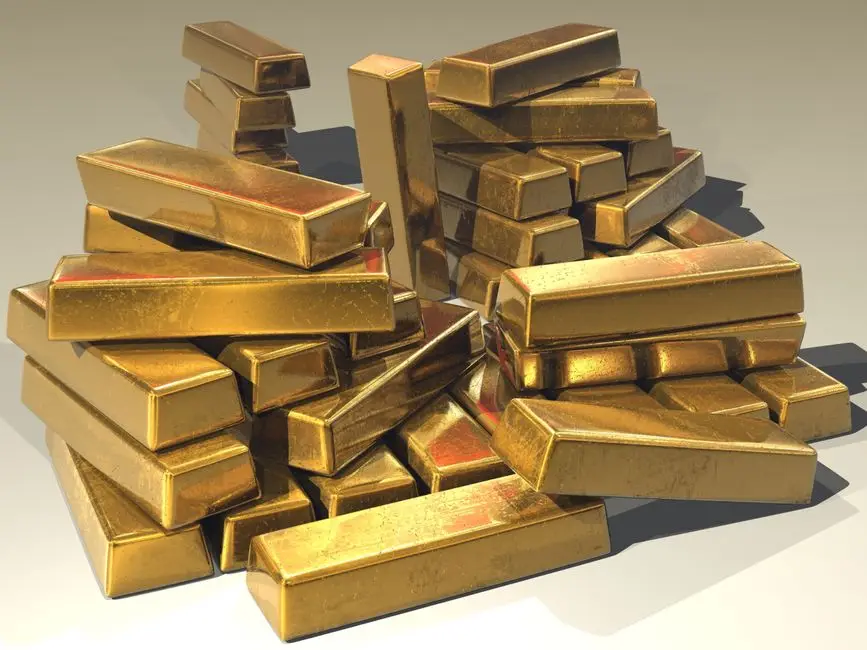
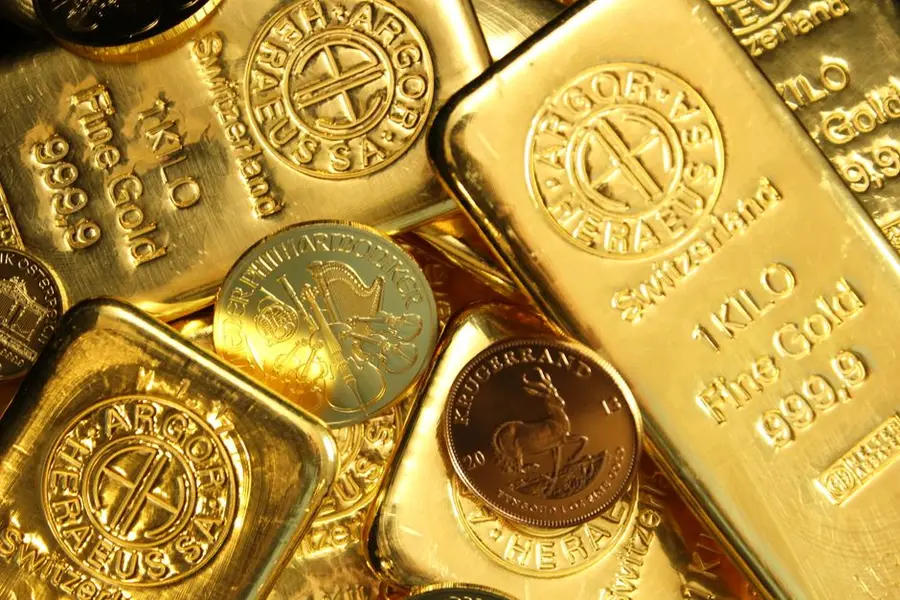
Physical ownership introduces its own due-diligence questions: how is authenticity verified, where is the item stored, who bears theft or loss risk, and what ongoing storage and insurance costs apply. Collectible or numismatic coins are priced differently from bullion, since their value can depend on rarity, condition, and collector demand rather than metal content alone, so comparing a numismatic price to a spot-price chart is comparing two different things.
Exchange-traded commodity products
Before buying a commodity exchange-traded product, check what it actually owns and how it is structured. General ETF mechanics, such as creation and redemption, bid-ask spreads, and net asset value, are covered in depth in Swoopr's existing ETF Investing hub and are not repeated here. This section focuses on what changes specifically for commodity products.
A commodity product due-diligence list should cover: what the product actually owns (physical metal, futures contracts, or a mix); its legal structure, since a registered investment company, a grantor trust, and a limited partnership can carry different tax reporting; its expense ratio and any additional costs; how liquid its creation, redemption, and secondary-market trading are; how it reports taxes to investors; how closely it has tracked its stated benchmark; its counterparty and collateral arrangements; and, for futures-based products, its roll methodology.
Legal structure is not a technicality. A commodity trust holding physical metal, a futures-based fund, and a partnership structure can each generate different tax forms and different tracking behavior for what looks like the same underlying commodity.
Futures-based exposure: contango, backwardation, and roll yield
Futures contracts expire. A fund that wants continuous commodity exposure through futures must periodically sell its expiring contract and buy a new, later-dated one, a process called rolling. The shape of the futures curve at the time of each roll matters.
Contango describes a curve where later-dated futures are priced above near-dated ones. Repeatedly rolling from a cheaper, soon-to-expire contract into a more expensive, later-dated contract can create a negative roll effect over time, all else equal.
Backwardation describes the opposite shape, where later-dated futures are priced below near-dated ones. Rolling under backwardation can create a positive effect under some implementations, all else equal, though this is not guaranteed and depends on the specific product and market conditions.
Roll yield is the return component that comes from replacing expiring contracts as the futures curve evolves. It is separate from the change in spot price, separate from collateral return on posted margin, and separate from fees or methodology effects. Never assume a commodity fund "tracks oil" or "tracks gold" without checking whether it tracks spot price, front-month futures, a diversified basket, or an index with a specialized roll process. Two funds referencing the same commodity can produce different returns because of how each one rolls.
Commodity producers are equities
A mining company, an oil producer, or an agricultural business is a company, not a proxy for the commodity price. Its stock price depends on production volume, extraction or growing costs, reserve or resource quality, capital expenditure plans, debt levels, labor and energy input costs, political and jurisdiction risk where it operates, management decisions, and equity-market valuation, on top of its sensitivity to the underlying commodity price.
Analyzing a specific producer as a company, its financial statements, valuation, and competitive position, belongs to Swoopr's existing Learn Stocks curriculum. This page's role is narrower: explaining that producer-stock exposure is not a substitute for direct commodity exposure, and that the two can diverge meaningfully even when the commodity price is unchanged.
Commodities and inflation
Some investors treat commodities as an inflation hedge, reasoning that raw-material prices contribute directly to inflation measures. The relationship is real but not stable enough to assume commodities always offset inflation. Realized performance depends on starting valuation and curve structure, supply shocks, global demand, currency moves, inventory levels, interest rates, geopolitical events, and how a specific product is implemented.
Swoopr's existing Macro, Economics & Market Regimes hub remains the canonical home for inflation, dollar, and business-cycle analysis. This page links there rather than re-explaining those macro mechanics, and focuses instead on what commodity exposure specifically adds to, or complicates in, a portfolio built around those macro views.
Portfolio role
Commodities can play several potential roles in a portfolio: diversification against equity and bond risk, inflation-sensitive exposure, tactical positioning around a specific macro view, or outright return-seeking speculation. Whether any of these benefits actually shows up depends on the position's correlation with the rest of the portfolio and on implementation costs, not on the commodity category alone.
A small allocation to a broad, diversified commodity strategy is a very different risk decision from a leveraged futures position or a concentrated portfolio of mining stocks. Sizing and implementation choice matter as much as the decision to add commodity exposure in the first place.
Gold exposure decision guide
Gold is the commodity most often added to a portfolio for reasons other than a specific price view. Choosing the right exposure route requires matching the vehicle to what the investor is actually trying to achieve, because the same outcome ambition, say, hedging currency risk or storing purchasing power, carries different implementation requirements depending on account type, holding period, and cost tolerance.
| Objective or circumstance | Preferred route | Key reason | Main drawback to watch |
|---|---|---|---|
| Long-term inflation or currency hedge, taxable account | Physical bullion or a physically-backed ETF or trust | Tracks spot price closely with no roll effect; physically-backed ETFs remove storage and dealer risk versus owning the metal directly | Collectibles tax rate (28% federal maximum on long-term gains) applies to physical metal and most physical-gold trusts; check fund's tax classification before buying |
| Long-term inflation hedge, tax-advantaged account (IRA or 401(k)) | Physically-backed gold ETF or gold-focused mutual fund | Same spot-price exposure inside an account that shelters the collectibles tax rate issue at the transaction level | Not all employer plans offer a gold fund option; IRA rules on holding physical metal directly are restrictive and require a qualified custodian and approved depository |
| Tactical short-term position or active portfolio trading | Futures contracts or a front-month futures ETF | Lower transaction friction for short holds and precise position sizing; futures margin allows capital efficiency | Roll cost when holding beyond one contract expiration; leverage amplifies losses; futures-based products are usually organized as limited partnerships and issue a Schedule K-1 |
| Broad commodity diversification with gold as one component | Broad commodity index fund with gold weight | Single position covers multiple commodities; gold participates without requiring separate line management | Gold weighting and roll methodology vary across broad-commodity indices; check what drives the fund's gold exposure before assuming it behaves like spot gold |
| Indirect economic exposure with leverage to gold price moves | Gold mining equities or a gold miner ETF | Mining stocks can amplify gold-price moves through operational leverage when spot price exceeds extraction cost | Mining exposure adds company-specific risks (operating cost, debt, jurisdiction, management) on top of gold-price risk; the amplification works in both directions, and miners can underperform spot gold for years |
| Collectible, heirloom, or non-financial value alongside investment | Numismatic or sovereign coins, jewelry with metal content | Dual-purpose ownership where the object itself has intrinsic value beyond the metal | Collectible premium is not recoverable at melt value; resale markets are thin and dealer spreads are wide; return calculation should exclude premium paid above metal content unless the collectible element is independently valuable |
This guide covers the structural choice, not the market-timing decision. Whether gold as an asset class belongs in a given portfolio, at what size, and when to add or reduce it are portfolio-management and personal-circumstances questions covered in Swoopr's Portfolio Management hub. This table assumes the decision to include some gold exposure has already been made and focuses only on which vehicle implements it most efficiently given the investor's situation.
One consistency check before buying: verify that the vehicle's actual tax treatment matches what is expected for the account type and holding structure. A physically-backed gold trust and a futures-based gold fund can both be marketed as "gold ETFs" while generating different tax forms and carrying different long-term gain rates. Checking the fund's prospectus for its tax-character determination takes less than five minutes and can change the effective after-tax return materially over a multi-year hold.
Commodity due-diligence checklist
Before buying a commodity investment, identify:
- The legal structure of the product, such as a trust, registered fund, or partnership
- What underlying assets or contracts actually create the return
- Whether the exposure is physical, futures-based, or equity-based
- Whether leverage is involved, and how much
- The futures-roll methodology, where applicable
- Fees, bid-ask spreads, storage, and financing costs
- How the position is reported for tax purposes
- What can make the investment diverge from the headline commodity price
- Whether liquidity matches the intended holding period
- What portfolio risk the position is actually meant to offset or add
Common mistakes
- Assuming every gold product tracks the gold price identically.
- Treating mining or energy-producer stocks as a substitute for physical or futures-based commodity exposure.
- Ignoring futures-curve effects such as contango and backwardation when evaluating fund returns.
- Assuming commodities always hedge inflation in every environment.
- Using leveraged commodity products without understanding margin requirements and path dependence.
- Underestimating physical-dealer spreads and ongoing storage costs.
- Responding to fear-based or high-pressure precious-metal sales pitches instead of verifying the dealer independently.
- Duplicating futures-trading tactics content inside an investment-education hub meant to explain exposure, not short-term trading.
Where to go next
- ETF Investing & Fund Analysis: general exchange-traded product mechanics.
- Macro, Economics & Market Regimes: inflation, the dollar, rates, and commodity cycles.
- Portfolio Management: diversification and position sizing.
- Learn Stocks: analyzing commodity-producing companies as equities.
- Commodity Investing: What You Actually Own: why metal, futures, funds, notes, producers and royalties track the same commodity differently.
- Gold Exposure Decision Guide: compare physical gold, ETFs, mining stocks and futures across cost, correlation, liquidity and tax treatment.
FAQ
Is gold a safe investment?
No investment is automatically safe, and gold is no exception. Gold generates no corporate earnings or interest, its price is volatile, and it can decline in value for extended periods. Investors who hold it for diversification or crisis-protection reasons should still expect price swings, not a guaranteed positive return.
What is contango and why does it matter for commodity funds?
Contango describes a futures curve where later-dated contracts are priced above near-dated ones. A fund that must repeatedly sell an expiring contract and buy a pricier, later-dated one is rolling from cheap to expensive, all else equal, which can create a negative roll effect over time. This is separate from any change in the spot price itself, so a fund can lose money on the roll even when the commodity's spot price is flat.
Is a gold-mining stock the same investment as owning physical gold?
No. A mining stock's price depends on the company's production volume, extraction costs, reserve quality, capital spending, debt, management decisions, and equity-market valuation, in addition to the gold price. Physical gold does not carry those company-specific risks, but a mining stock does not carry storage or dealer-spread costs the way physical metal does. The two exposures can diverge meaningfully even when the gold price is unchanged.
Does a commodity ETF always track the spot price?
Not necessarily. Depending on its structure, a commodity fund may track spot price, front-month futures, a diversified futures basket, or an index with a specialized roll methodology. Futures-based products are also exposed to roll yield, expenses, and collateral-return assumptions that can cause performance to diverge from the commodity's headline spot price. Investors should check the product's stated methodology rather than assume it tracks spot directly.
Why do some commodity funds issue a Schedule K-1 instead of a Form 1099?
Because of the legal structure rather than the strategy. A fund organized as a partnership, which is common for futures-based commodity products in the United States, passes through income to holders on a Schedule K-1 and allocates gains under partnership rules, sometimes with mark-to-market treatment at year end regardless of whether shares were sold. A fund organized as a trust or holding physical metal reports differently. The tax paperwork therefore differs between two products tracking the same commodity.
Why does physical metal cost more than the spot price?
The spot price refers to bulk wholesale metal. Retail bars and coins carry a premium covering fabrication, distribution, dealer margin and, for coins, any collectible or sovereign-mint element. That premium varies by product and widens when retail demand spikes, sometimes substantially. It is also paid on the way in and largely given back on the way out, so a round trip in physical metal costs more than the spot price movement alone suggests.
What determines whether a commodity can be stored economically?
The ratio of storage cost to value, plus whether the commodity degrades. Precious metals are dense, valuable and do not spoil, so storage is cheap relative to value and holding physical metal is practical. Agricultural products spoil and occupy volume; natural gas requires specialized facilities with limited capacity. That difference is what makes some commodity curves reflect a straightforward cost of carry while others are driven mainly by immediate supply and demand.
How does industrial demand differ across the precious metals?
Substantially, and it changes how each behaves. Gold demand is dominated by investment and jewelry, with industrial use a small share, so its price responds mainly to financial conditions. Silver has a large industrial component alongside its investment demand, which links it to manufacturing activity. Platinum and palladium are used heavily in specific industrial applications, which makes their prices sensitive to demand and to substitution between them in those uses.
What does it cost to hold physical metal?
Storage and insurance, at home or through a vault, plus the dealer spread paid on purchase and sale. Vaulted storage is typically charged as an annual percentage of value, and home storage substitutes an insurance question and a security question for a fee. None of these appear in a price chart, so a return computed from spot prices overstates what a physical holder received. Exchange-traded products replace these with an expense ratio.